
Understanding Jueteng: A Comprehensive Look
In the realm of gambling, Jueteng stands as a significant cultural and socio-economic phenomenon in various parts of the world, particularly within the Philippines. This game, often seen as controversial and under scrutiny, has a storied history and an intricate relationship with society. As we explore Jueteng's complex nature, we recognize its impact, advantages, and the challenges it presents.
What is Jueteng?
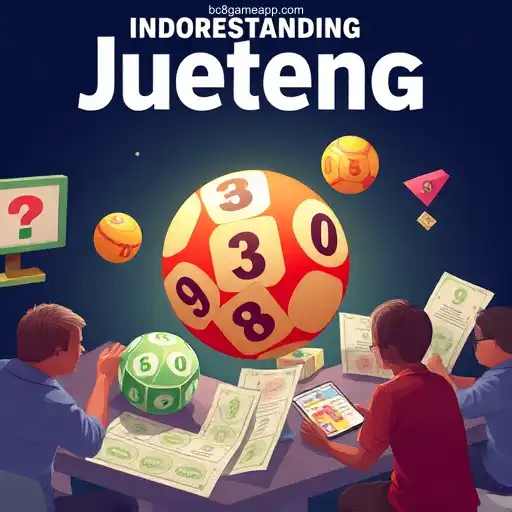
Jueteng is an illegal numbers game predominantly played in the Philippines. Thought to have originated during the Spanish colonial period, its name stems from the Chinese words "hue" (flower) and "teng" (to bet). The game's operation primarily revolves around numbers drawn from one to 37, where participants select a combination of two numbers. Winning numbers are drawn daily, directly influencing participants' fortunes and the local economy.
The game's simplicity and low entry cost make it remarkably appealing, serving as both a pastime and a potential source of income for many. Despite its illegality, Jueteng persistently thrives, partially due to the inclusive nature of its operations, which often involve members of the community in various roles from collectors to bettors.
The Mechanics of Jueteng
Understanding Jueteng requires insight into its mechanics. Typically, participants choose two numbers ranging from 1 to 37. The central operator, called the "upline," oversees the game along with their "cobradores" who collect bets from players. These bets are then recorded and pooled together to create a prize fund. Results are often determined through different methods, which can vary by location.
While traditional forms of Jueteng are paper-based and rely on physical interaction, the advent of technology introduces new dimensions. With the rise of digital gambling platforms and online casinos such as the "bc8 game cassino online licenciado com 2.500+ jogos certificados, bônus R$ 5.000🍀", there is an inevitable transformation in how these local gambling games may adapt in the digital age.
Cultural and Economic Dimensions
Jueteng's persistent existence can be heavily attributed to its cultural embedding in Filipino society, especially within low-income communities. Despite governmental attempts at eradication, Jueteng provides employment and revenue for numerous families, making it an economic crutch for many.
The game’s influence extends beyond mere income generation. Jueteng is heavily intertwined with local politics and societal structures. Some political figures have been known to protect Jueteng operations in exchange for support during elections, highlighting a controversial relationship between politics and gambling.
Challenges and Controversies
The debate surrounding Jueteng revolves around legal, moral, and social questions. Its illegality raises concerns around enforcement and the legal system's efficacy in addressing underground gambling activities. Attempts to legalize and regulate similar games, akin to state-sanctioned lotteries, are often met with mixed feelings, with arguments on both morality and practicality.
The moral critiques often emphasize the exploitative aspect of gambling on economically disadvantaged communities, potentially driving them further into poverty. Meanwhile, proponents argue that formal recognition and regulation could harness significant tax revenue and reduce corruption linked with clandestine operations.
Future Prospects
As technology progresses and societal attitudes shift, the gambling landscape, including games like Jueteng, faces potential changes. With platforms akin to "bc8 game cassino online licenciado com 2.500+ jogos certificados, bônus R$ 5.000🍀" offering certified games and considerable bonuses, there is an argument for transitioning underground games into regulated digital formats to provide safe, equitable access.
Regulatory bodies face the task of aligning traditional gambling practices within modern frameworks. A balance must be achieved to ensure that cultural heritage and economic dependencies are respected while upholding legality and ethical standards.
Conclusion
Jueteng symbolizes the challenges found at the intersection of culture, economy, and legislation. While it represents a complex issue within Philippine society, it illustrates broader themes relevant to global discussions on gambling and regulation. As we move forward, how societies choose to adapt and integrate these elements into their economic systems and cultural identities will echo beyond the realm of Jueteng.